


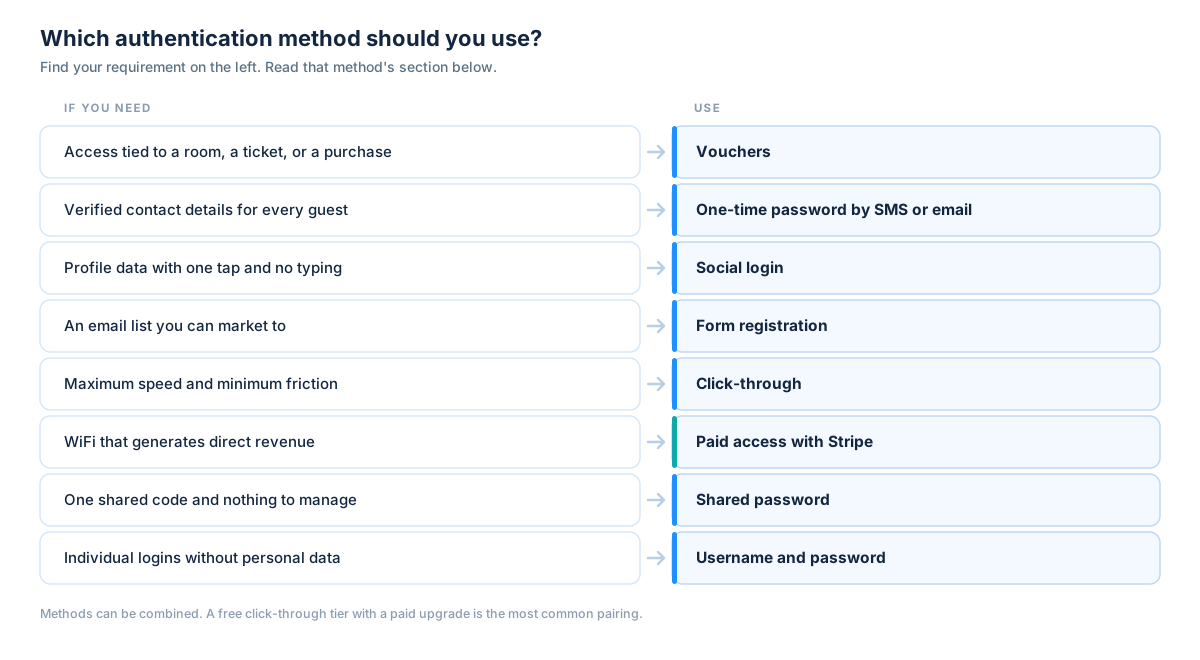
TL;DR: There are eight WiFi authentication methods in common use, and most venues only need one. The right choice depends on what you need from the guest: an email list, a verified phone number, a payment, or nothing at all beyond terms acceptance. Below: a chooser that matches your requirement to a method, then how each one works, what it costs, and where it fits.
Every guest WiFi network makes the same decision at the login screen. Do you ask for an email, send a code, take a payment, or let people straight through? That single choice determines how much data you collect, whether the network earns anything, and how exposed you are if something goes wrong on it.
WiFi authentication methods differ far more than they appear to. A one-tap click-through and an SMS one-time password look almost identical to the guest, but one leaves you with a marketing list and a verified contact record while the other leaves you with nothing but a consent log. The gap between them is the whole point of choosing deliberately.
Get the match right and the login becomes the first useful thing your venue knows about a customer. Get it wrong and you add friction to a moment where guests have the least patience for it.
Which WiFi Authentication Method Should You Use?
Eight methods follow, and most venues only need one. Start with what you need from the guest rather than with the technology, then read the section that matches.
1. Voucher-Based Access: The Classic Workhorse
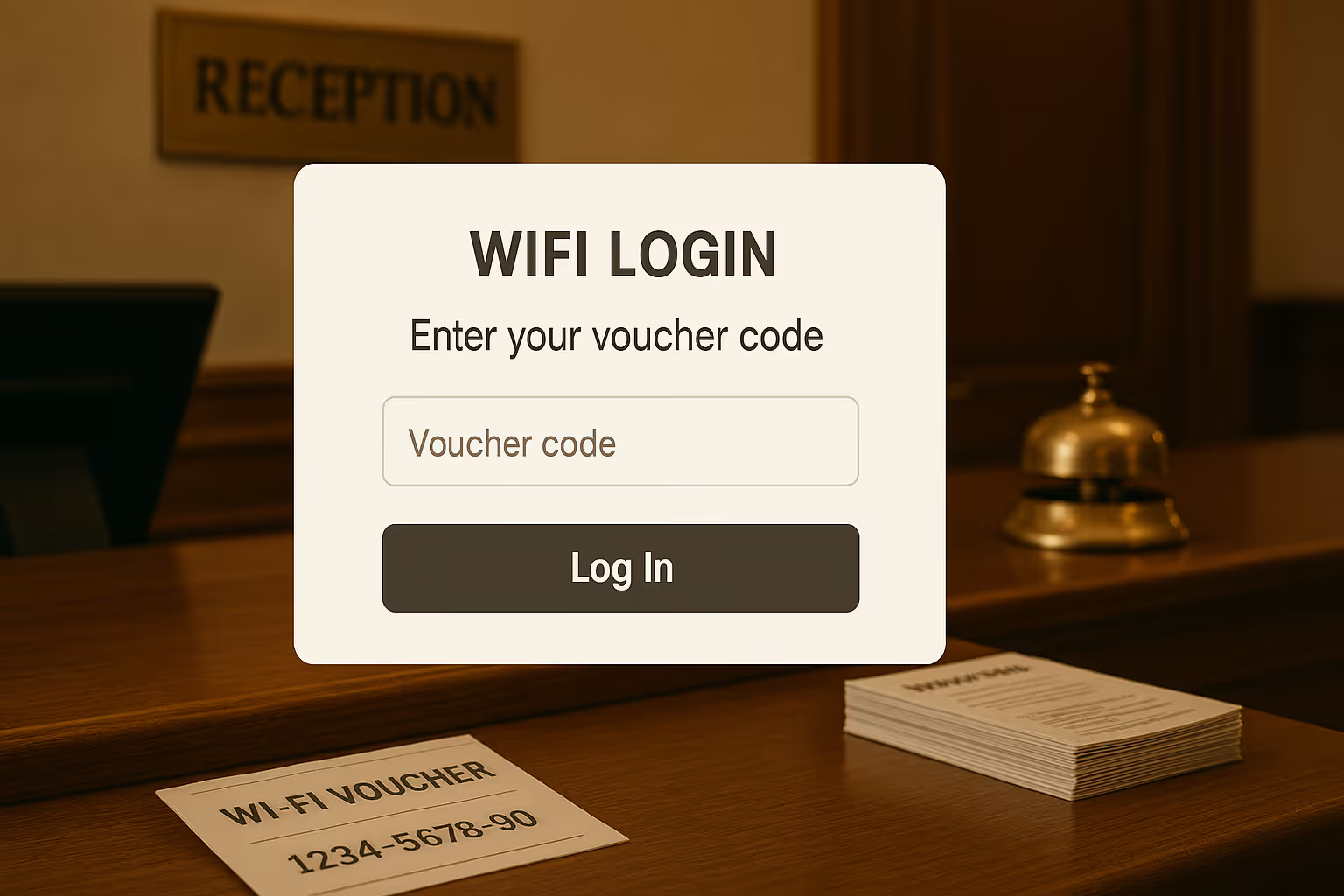
Long before "smart WiFi" became a buzzword, there were vouchers- printed codes that gave users access for a specific time or data limit.
They're simple, tangible, and still incredibly effective. Hotels hand them out at check-in, event staff print them in batches, cafés display them on receipts. The physical nature of vouchers creates a sense of value and control that digital-only systems sometimes lack.
Vouchers solve practical problems elegantly. Need to limit WiFi to paying customers? Include a code with every purchase. Running a conference? Pre-generate codes for all attendees. Managing bandwidth? Set time limits that automatically enforce themselves.
Why it works: Vouchers keep control in human hands. They can limit data use, restrict devices, and maintain fairness when bandwidth is scarce.
Best for: hotels, events.
Spotipo still sees thousands of networks using this method- not because it's old-fashioned, but because it's reliable. You can generate voucher codes automatically, assign data caps, and track usage in real time. For multi-location businesses, Spotipo's Multi-Site Voucher Login lets guests use the same code across different venues- perfect for hotel chains or franchise operations.
2. OTP (One-Time Password): Verification Made Easy
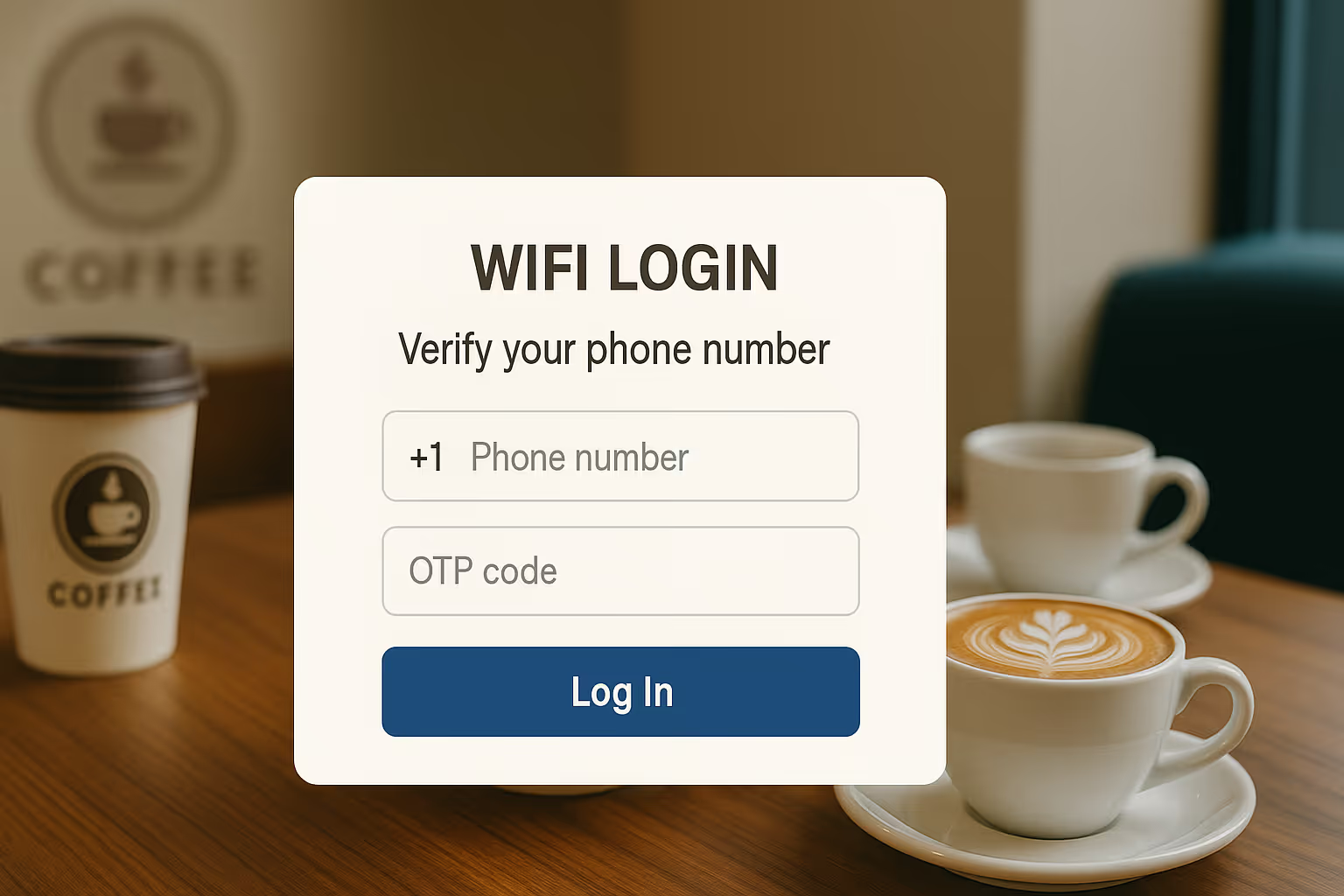
The next step forward was verification. Instead of handing out codes, guests receive one via SMS or email.
It's a familiar experience- enter your phone number, receive a code, and you're online. It feels secure and personal without being intrusive. The temporary nature of the code means even if someone sees it, it's useless moments later.
OTP authentication bridges the gap between completely open WiFi and more complex registration systems. Guests provide just enough information to verify they're real people with valid contact details, but the process remains fast and straightforward.
Why it works: OTP ensures real contact information and discourages anonymous traffic. It's especially valuable for regulated environments where operators must identify users.
Best for: cafés, retail stores, airports, and transport hubs.
Spotipo automates the entire process, sending OTP codes instantly through integrated SMS gateways. The system verifies codes with GDPR-compliant consent flows, and you can optionally validate phone numbers to keep your database clean.
The OTP Trade-off: Here's the honest reality- OTP costs money. SMS gateways charge per message, typically $0.01 to $0.05 depending on destination. For busy venues sending hundreds of codes daily, this adds up. Email capture costs nothing but yields fake addresses like "test@test.com." The decision: is verified contact information worth paying for? Many venues start with email capture, then switch to OTP after dealing with unusable addresses. Others do the opposite once they see the monthly SMS costs. Your traffic volume and budget determine which makes sense.
3. Social Media Logins: The Age of Convenience
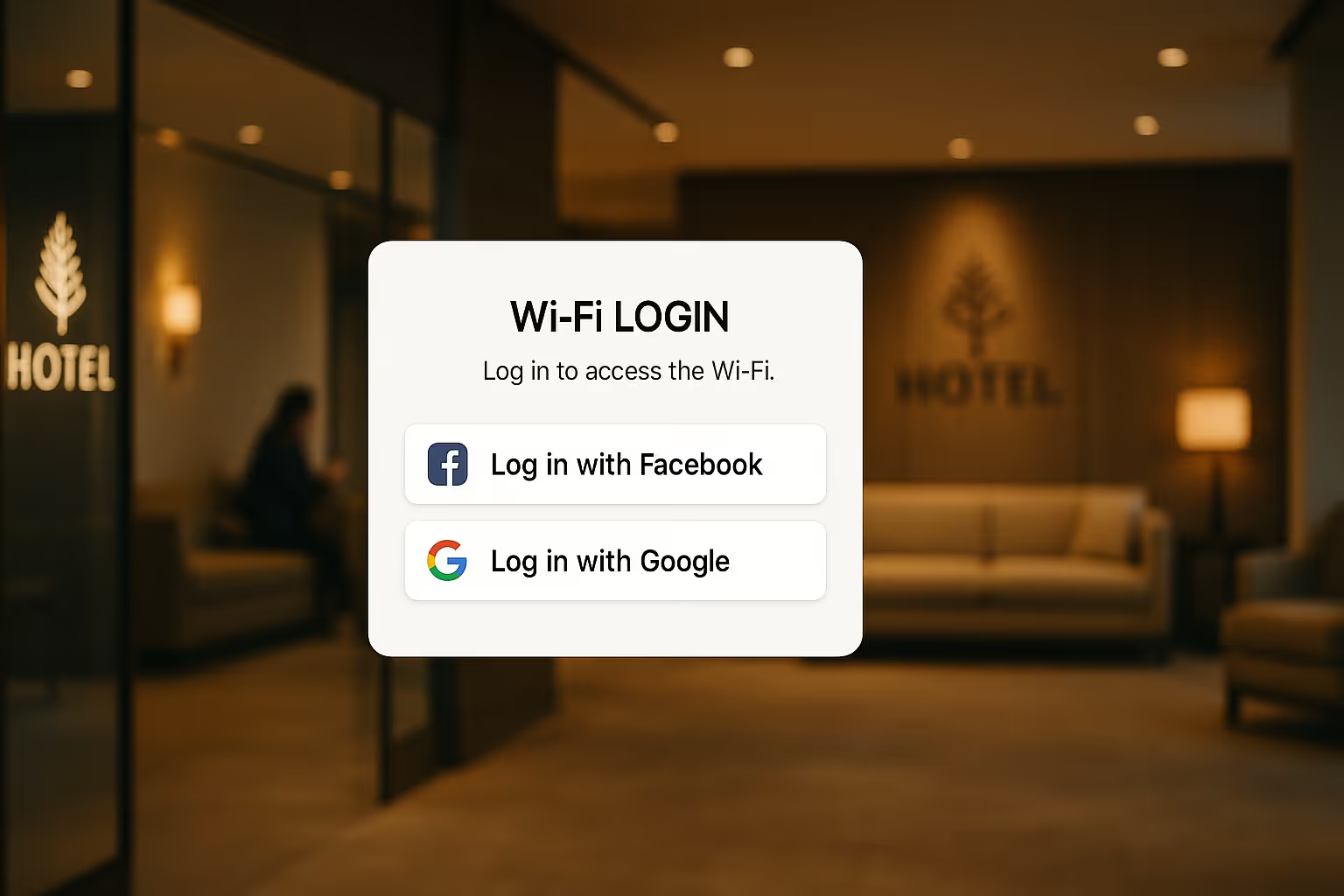
When Facebook and Google introduced single-click authentication, the WiFi world changed overnight. "Login with Facebook" became a global standard. Guests connected instantly, and businesses gained demographic data to fuel remarketing.
The appeal is simple: users already have accounts they trust. Instead of creating yet another username and password, or typing contact information on a small screen, they click once and they're online. The psychological barrier drops to nearly zero.
For businesses, social login delivers rich profile data- age ranges, interests, location information- that guests willingly share through their social profiles. This data powers targeted marketing campaigns and helps businesses understand their customer demographics without lengthy forms.
Spotipo supports Facebook and Google authentication through modern OAuth-based login, all fully GDPR-compliant. The platform handles the technical complexity of API integration, token management, and data privacy requirements, letting you offer social login without becoming a security expert.
Why it works: It's fast, recognizable, and data-rich.
Best for: hospitality and retail networks that value marketing insights.
When done right, it's the most frictionless way to turn a WiFi login into a marketing handshake.
4. Form-Based Registration: The Simple Lead Machine
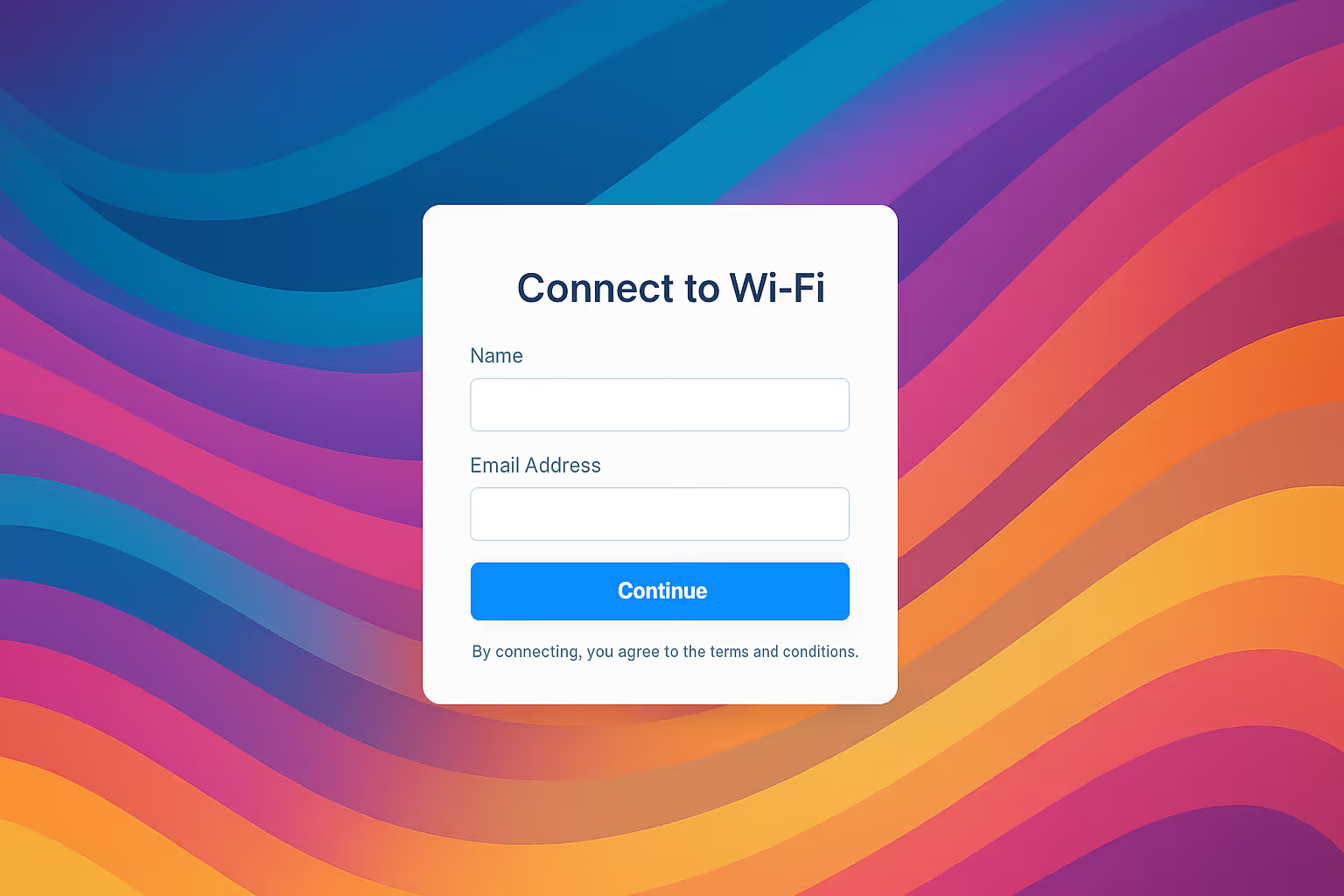
Sometimes, all you need is an email address. A clean form- just name and email- is often enough to turn guest WiFi into a soft lead capture tool.
It's a small step for the guest, but a big one for your marketing automation. Once that email syncs with your marketing platform- Mailchimp, HubSpot, Campaign Monitor, and 10+ others via Zapier- it becomes the start of a customer relationship.
The beauty of form-based authentication lies in its flexibility. You control exactly what information you collect. A coffee shop might ask only for an email.
Why it works: It balances simplicity with data value.
Best for: showrooms, small hotels.
Spotipo adds validation and consent automatically, keeping your database clean and compliant. With the new splash page editor in v4.0, you can add and collect unlimited custom fields from guests- beyond just email, capture phone numbers, company names, postal codes, or any data point relevant to your business. The customization happens through a visual editor, no coding required.
5. Click-Through Access: Frictionless Public WiFi
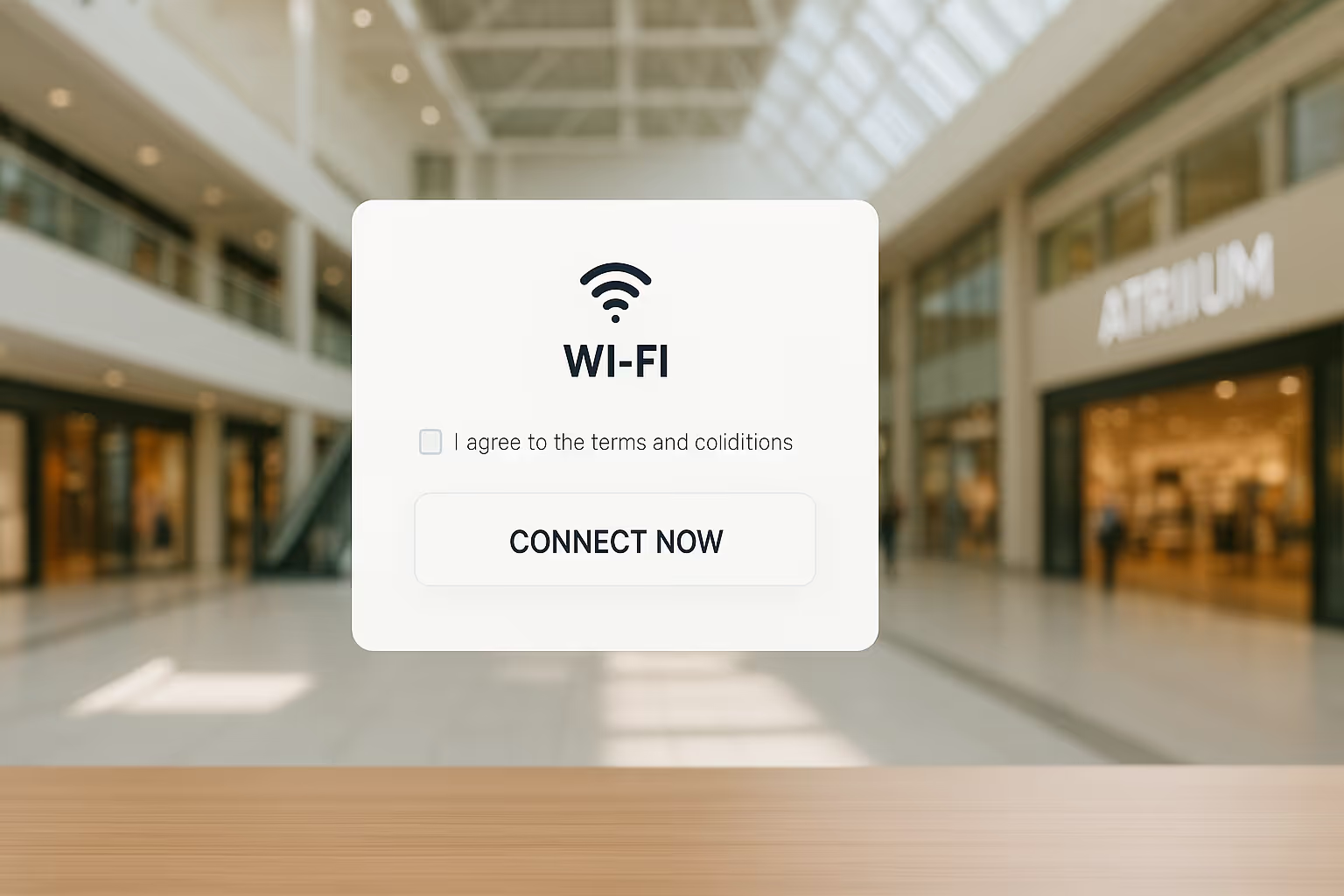
Sometimes the best login is no login at all. "Click to Connect" remains the simplest option for busy environments where speed matters more than data collection.
Airports, shopping centers, and city networks use it to keep people moving. Guests accept the terms of service and go online instantly. There's no form to fill out, no account to create, no code to wait for- just one click and you're connected.
This approach prioritizes throughput over tracking. When thousands of people need WiFi access in a short timeframe, removing all authentication barriers becomes operationally necessary. The terms of service screen still provides basic legal protection while maintaining maximum accessibility.
Why it works: zero friction, maximum accessibility.
Best for: public WiFi, transportation hubs, high-turnover spaces.
For operators, it's goodwill WiFi- a simple way to say, "we've got you covered."
6. Payment-Based Access: Turning WiFi Into Revenue
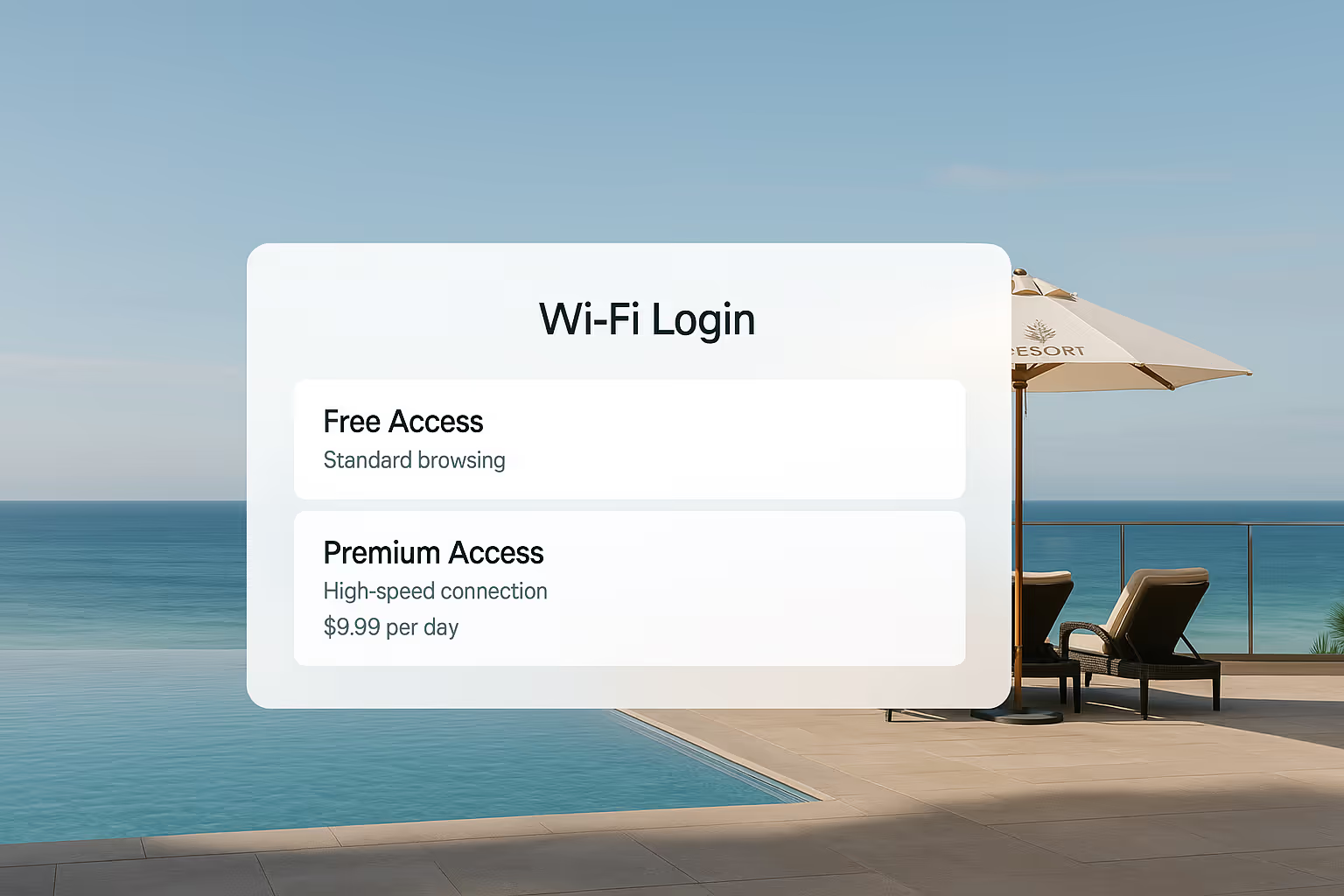
Paid WiFi is making a comeback, especially in Starlink-powered remote resorts, marinas, and campgrounds where bandwidth costs real money.
The model works because guests understand value. In premium locations- cruise ships, remote lodges, conference centers- high-speed connectivity isn't just convenient, it's essential. Guests willingly pay for reliable internet just as they pay for other premium amenities.
Modern payment-based WiFi offers tiered pricing: basic free access for checking email, premium speeds for video streaming, or extended time limits for remote workers. This gives guests control while generating revenue.
Guests can purchase premium tiers- higher speed, more data, longer sessions- directly through the captive portal. Spotipo also supports a free-but-limited model where guests get basic access but can upgrade to premium packages without friction.
Why it works: converts infrastructure into revenue.
Best for: transport hubs, rural hospitality, and co-living spaces.
Spotipo integrates Stripe payments directly into the captive portal. You can set up free WiFi upsell workflows where guests receive automated reminders when their session is expiring, with one-click upgrade options to paid tiers.
Making Paid WiFi Feel Fair: The psychology matters more than the technology. Blocking all access until payment feels punitive. The freemium approach works better: offer basic connectivity free, then present upgrades when guests need more. A 30-minute free session with purchase extensions feels generous rather than restrictive. Frame it positively: "Upgrade for faster speeds" converts better than "Pay to continue." Guests accept paid WiFi in premium locations where they understand bandwidth costs- remote resorts, cruise ships, conference centers. In standard venues, free WiFi with optional premium tiers generates more goodwill while still capturing revenue from users who need better connectivity.
7. Password Login: Simple and Shared
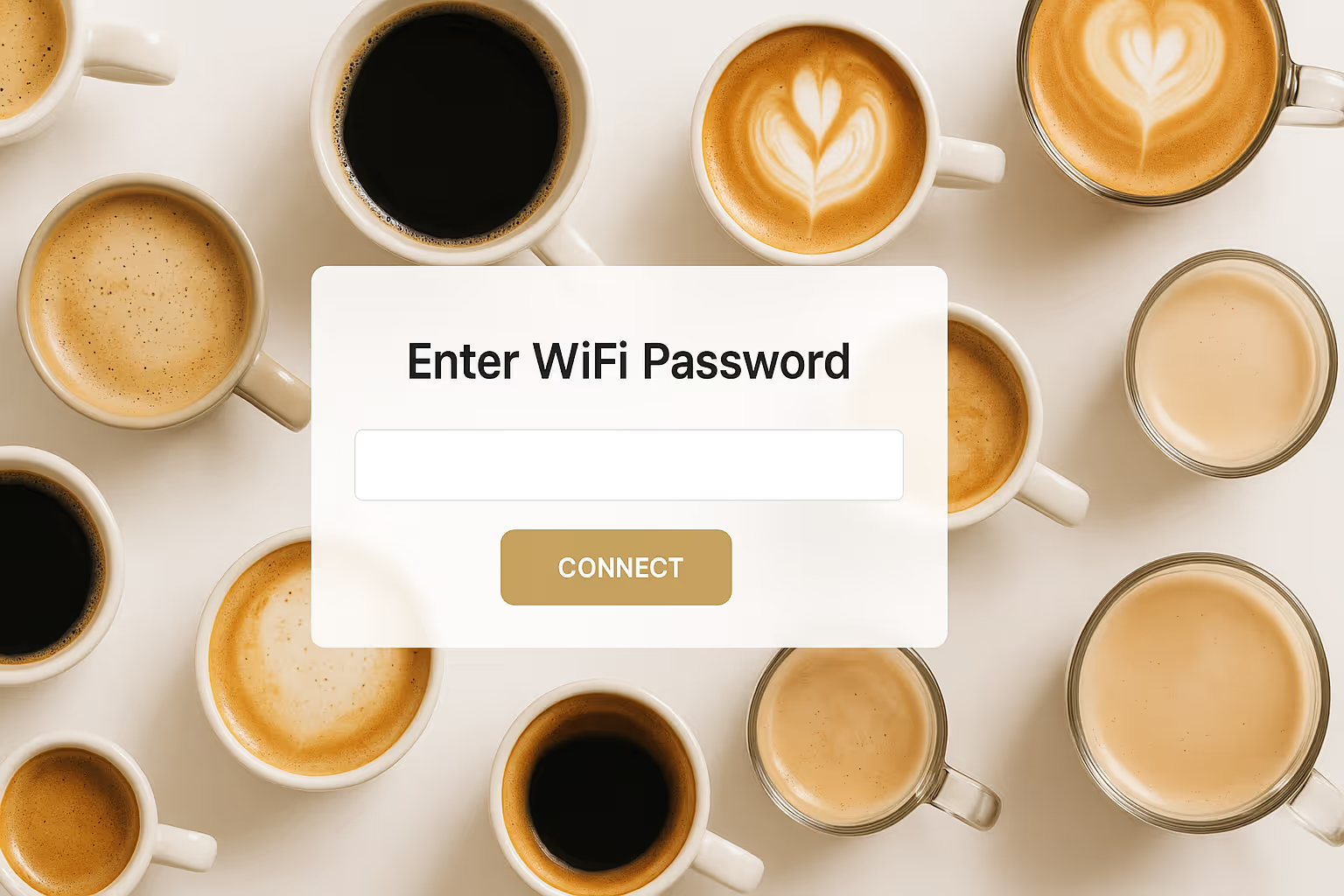
Sometimes you just need one password shared with all guests- printed on a menu, displayed at reception, or posted on a wall. It's the simplest middle ground between open access and authentication.
Why it works: minimal friction while maintaining basic access control.
Best for: small cafés, waiting rooms, boutique shops.
Spotipo supports common password authentication for venues that want simple access control without individual registration.
8. Username/Password Login: Individual Accounts
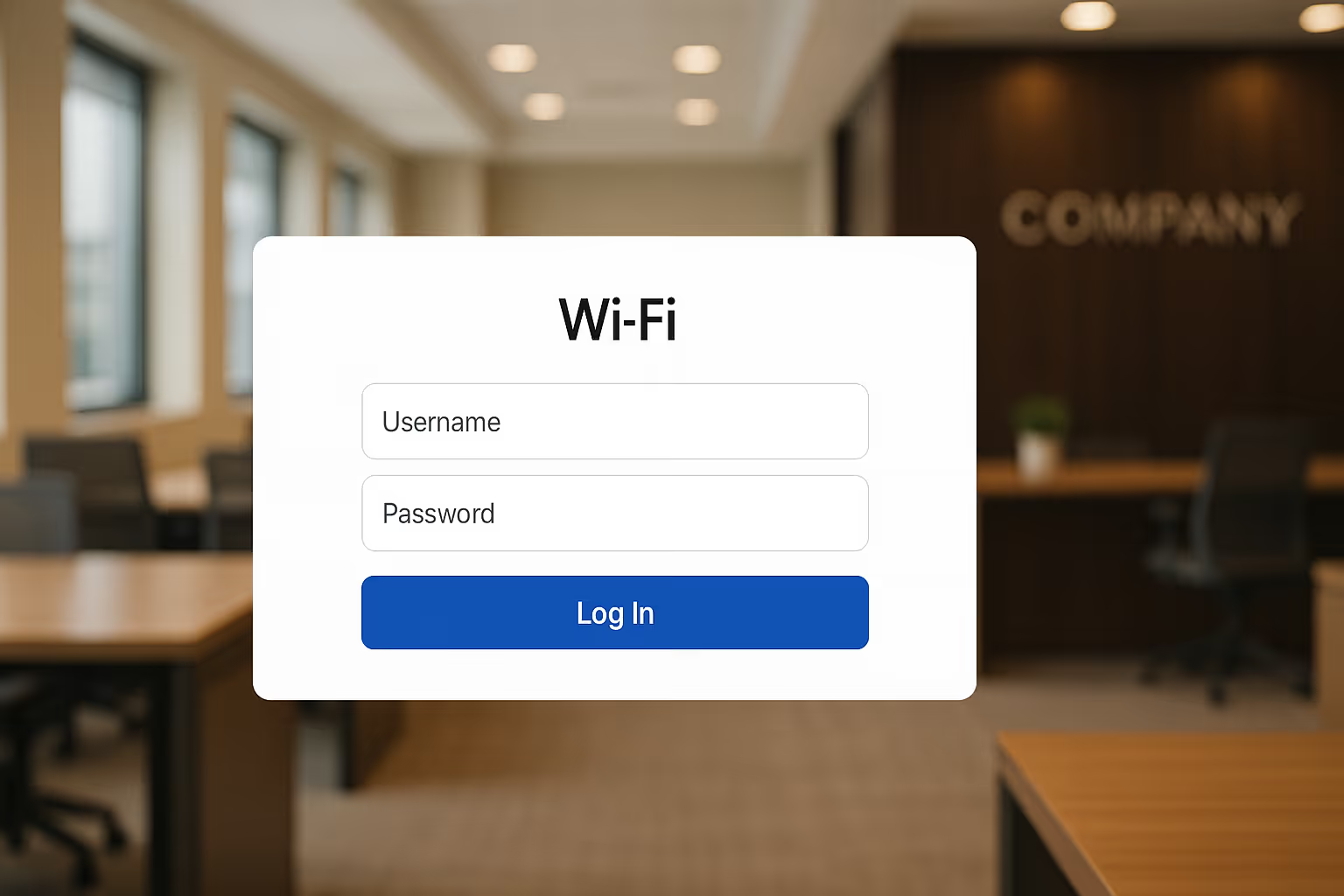
For venues that need individual accountability without collecting email addresses or phone numbers, username and password authentication provides dedicated credentials for each guest.
Each guest receives their own unique login- perfect for memberships, long-term stays, or restricted access environments where you need to track individual users without social media or form-based data collection.
Why it works: Individual authentication with accountability, but without requiring personal contact information.
Best for: membership clubs, long-term accommodations, educational settings, corporate guest networks.
Spotipo supports username/password authentication with bulk import capabilities, letting you create and manage guest credentials at scale. You can generate accounts on demand or import existing user databases, making it easy to manage guest credentials without heavy IT overhead.
Compliance Built In: GDPR and Age Consent
Beyond choosing authentication methods, operating guest WiFi legally requires proper compliance screens. This isn't optional- data privacy regulations carry serious penalties, and age restrictions protect both minors and your business.
The challenge is implementing compliance without killing user experience. Nobody wants to click through five legal screens before accessing WiFi. The solution is smart layering: compliance prompts that appear seamlessly within your authentication flow.
Spotipo offers dedicated consent layers that work with any authentication method:
GDPR Consent Screen: Explicit opt-in for data processing, required in EU markets and increasingly expected globally. When users see clear information about how their data will be used, they're more likely to consent willingly. Spotipo's GDPR-compliant data capture is hosted in the EU, ensuring guest privacy and business protection while automatically staying current with regulatory changes.
Age Consent Screen: Age verification before network access is important for protecting minors and meeting legal requirements. This matters particularly for venues serving families or educational institutions.
These compliance screens appear before your chosen login method, ensuring you operate legally and ethically. And because Spotipo handles the technical implementation and regulatory updates automatically, you maintain compliance without becoming a privacy law expert.
The Compliance Challenge: Implementing compliance isn't just adding checkboxes. Data privacy regulations change constantly - what's compliant today might not be tomorrow. GDPR has seen numerous updates since 2018. The real challenge is maintaining compliance across jurisdictions while keeping user experience smooth. Different regions require different consent mechanisms, data deletion timelines, and privacy notice language. Spotipo handles these complexities automatically, updating consent flows and privacy mechanisms as regulations evolve, so you stay compliant without monitoring every regulatory change.
From Authentication to Experience
WiFi authentication used to be a technical gatekeeper. Now it's a brand moment- the first digital touchpoint between you and your guest.
Think about what your login page communicates. A slow, buggy portal with ten required fields says, "we don't value your time." A clean, fast login with your branding says, "we thought about your experience."
The right login flow sets expectations: it can feel effortless, trustworthy, even delightful. The wrong one feels like bureaucracy. Modern WiFi authentication succeeds when it disappears- when guests simply find themselves online.
But authentication also creates opportunity. Behind that simple login screen, you can build email lists, track visits, offer promotions, generate revenue, and maintain compliance- all automatically, all without adding friction.
With Spotipo, you don't have to choose between ease and control. You can design a WiFi experience that welcomes guests, protects your network, and feeds your marketing engine- all while staying compliant.
Because in 2025, WiFi isn't just a connection. It's communication. And authentication is where that conversation begins.
WiFi Authentication FAQs
Which WiFi authentication method collects the most guest data?
Social login, because guests share profile information from an account they already maintain rather than typing it into a form. Form registration comes second and gives you more control over exactly which fields you ask for. Click-through collects nothing beyond a record that the guest accepted your terms.
Can I use more than one authentication method on the same network?
Yes, and most venues do. The common pairing is a free click-through or email tier alongside a paid upgrade, which lets guests online immediately while still capturing revenue from anyone who needs more speed or time. Compliance screens sit in front of whichever method you choose.
Is social login still GDPR compliant?
Yes, provided consent is explicit and the guest is told what is collected and why. The obligation does not come from the login method itself, it comes from how the resulting data is stored and used. Spotipo handles consent capture in the login flow and hosts guest data in the EU.
What happens if a guest declines consent?
They can still be given internet access under a method that collects nothing personal, such as click-through with terms acceptance. Declining marketing consent should never mean declining connectivity, and building it that way creates a compliance problem rather than solving one.
Which method is best for a hotel?
Vouchers, in most cases, because access can be tied to a room and expire with the stay. Hotels running longer stays or membership schemes often use individual guest accounts instead, which give each guest their own credentials without collecting contact details.
Do I need new hardware to change authentication method?
No. The method is a portal setting rather than a hardware capability, so switching from email capture to one-time passwords or vouchers is a configuration change. Spotipo works with 30+ router brands including UniFi, MikroTik, TP-Link, Cisco Meraki, Aruba, and Ruckus.
Which method has the highest completion rate?
Click-through, since there is nothing to complete. Among methods that actually capture something, social login typically performs best because it requires no typing on a phone keyboard, which is where most guest logins are abandoned.
Ready to Transform Your Guest WiFi?
Start your free 14-day trial of Spotipo and discover how effortless multi-method WiFi authentication can be.
✓ No credit card required
✓ No hardware needed
✓ Works with your existing router
✓ Setup takes minutes
Turn every WiFi login into a marketing opportunity. Collect guest emails automatically. Create professional, branded splash pages. Generate revenue with paid access tiers.
Trusted by hundreds of businesses worldwide. Works with 30+ router brands, including UniFi, MikroTik, TP-Link, Cisco, Meraki, Aruba, and Ruckus.


